MEMPHIS, Tenn. — Memphis Light, Gas and Water stood down Saturday after saying any immediate weather threats posed by Isaias have passed and MLGW is standing down, while still keeping a few crews on standby.
Earlier in the weekend, Memphis Light, Gas and Water is on standby to assist with potential storm damage as the remnants of Hurricane Isaias are expected to impact the area this weekend, a local report said as the utility staged for rain and wind.
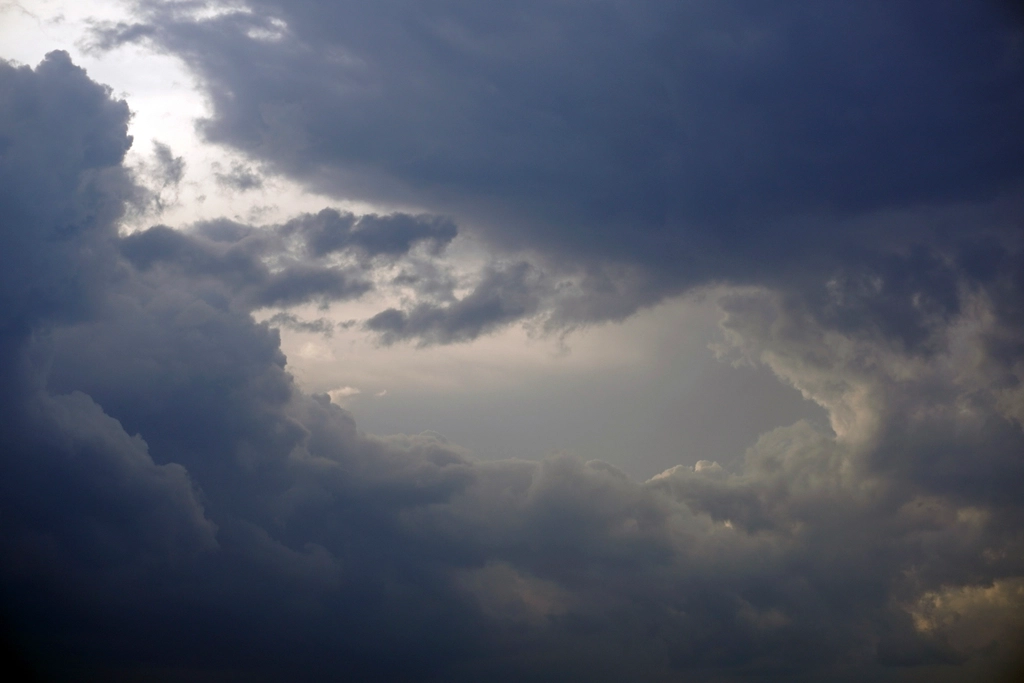
The primary impacts from the storm will be periods of heavy rainfall and strong winds, according to the National Weather Service in Memphis. That forecast framed why MLGW kept restoration crews ready even as the system weakened into a post-tropical remnant.
Before the stand-down, MLGW said it is prepared for damaging winds, heavy rainfall and possible flooding on Saturday as Hurricane Isaias makes landfall. President and CEO Doug McGowen said the utility was hoping for the best but preparing for the worst while staying in close contact with the National Weather Service and local emergency agencies.
MLGW has nearly 65 crews ready to complete damage assessments and make repairs and restore power to all customers safely and as quickly as possible. Officials said contractors and tree trimming crews could be called if needed and that some customers could face extended outages if poles or lines came down.
The utility thanked customers who were prepared and had a plan, then said it will continue to watch the weather and keep a few crews on standby after the immediate Isaias threat passed through Memphis and Shelby County.
Memphis City Hall at 125 N Main St, Memphis, TN 38103 remains the civic hub for storm coordination messages that run alongside MLGW outage updates. Mayor Paul Young office partners with county emergency managers when major weather systems threaten local power, water and gas service.
Residents who still see outages are directed to report them through MLGW channels while crews finish any remaining damage checks. Utility leaders said restoration priorities typically start with hospitals, flood-control pumps, public-safety hazards, and the largest customer outages before scattered smaller jobs.