
Memphis, August 18, 2025
News Summary
The Beatles’ concert in Memphis became a memorable event characterized by tension and unrest following John Lennon’s controversial remark about their popularity. Despite the tumultuous atmosphere, the band persevered through protests, with audience members throwing objects during the second show. The event highlighted cultural conflicts of the 1960s and marked a significant moment in the band’s history.
Memphis
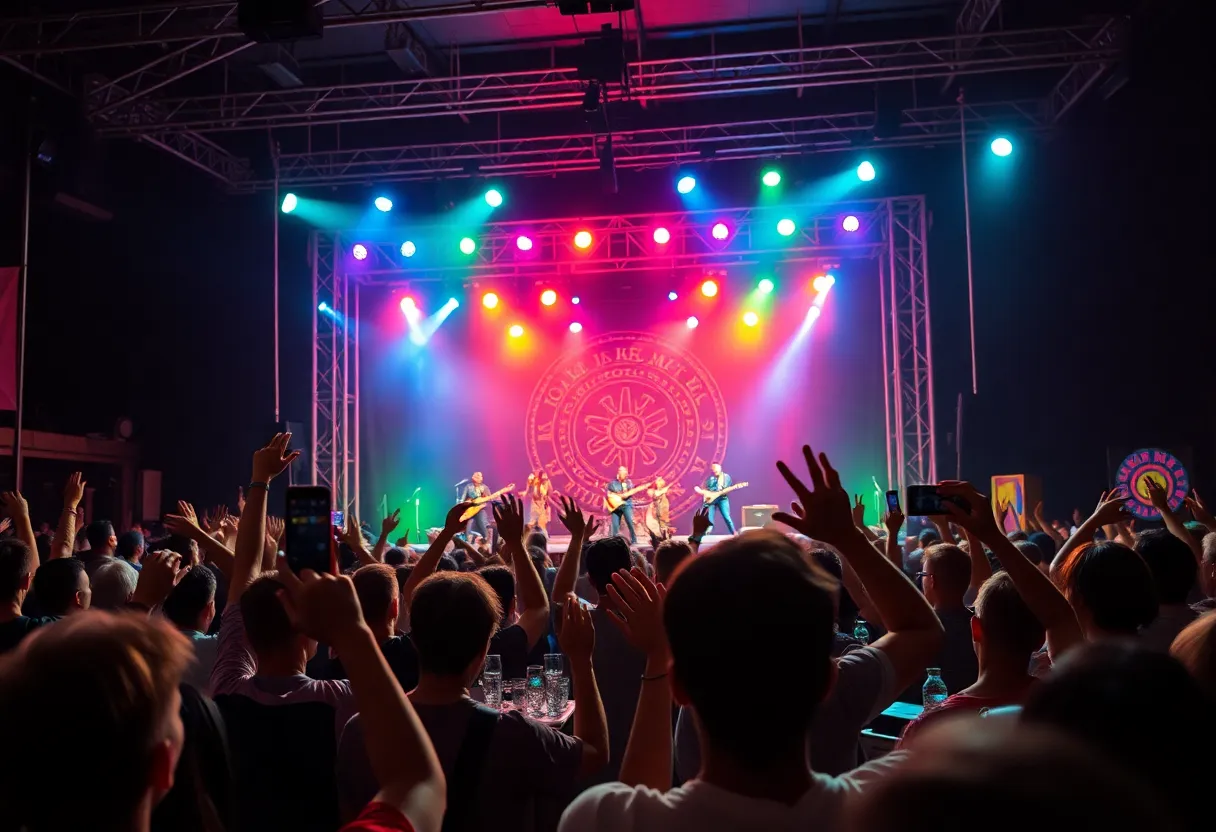
On August 19, 1966, The Beatles brought their noteworthy U.S. tour to the Mid-South Coliseum in Memphis, performing two shows to an audience of approximately 11,000 fans. However, tensions escalated due to remarks made by band member John Lennon, which described the group as “more popular than Jesus.” This comment sparked significant backlash, particularly in the Bible Belt, leading to protests and coordinated demonstrations against the band.
Prior to the concert, local DJ Tommy Charles threatened to burn Beatles records, although he later rescinded the threat after a press conference. Despite the turmoil, the first performance went off without major incidents. However, during the second concert, the atmosphere turned chaotic. Many in the audience expressed their discontent by throwing fruit, debris, and even firecrackers, causing injuries to two boys and one girl when a firecracker ricocheted near the crowd. Notably, drummer Ringo Starr was startled when a firecracker exploded at his feet.
Local chapters of the Ku Klux Klan even picketed outside the venue, amplifying the protest atmosphere. Although the rowdy crowd posed challenges, The Beatles managed to maintain their performance without missing a note, demonstrating resilience amidst the unrest.
The audience’s reaction was described as tumultuous, with many local teens openly expressing their disdain for the band. The city’s youth exhibited a complex mix of frustration and excitement, further complicated by Beatles’ public relations representative Tony Barrow’s mention of an underlying “nasty atmosphere.” Despite moments of chaos, police were quick to intervene and keep order during the concert.
The Band’s Journey Through America
The 1966 U.S. tour was marked by various mixed feelings across different concert venues, including exuberant fan reactions and notable protests. While The Beatles continued to gain immense popularity, they also faced growing criticism for their lifestyle and public statements. The Memphis concert served as a significant example of the cultural tension present during this period.
Bob Tucker, director of the Bill Black Combo, which served as the opening act, recalled the complex emotions surrounding the concert, illustrating how The Beatles were perceived by diverse audiences. Lennon, despite the controversy, communicated an indifference towards their critics, highlighting the band’s commitment to their music.
Following the Memphis shows, The Beatles continued their tour across the U.S. and Canada, facing both admiration and hostility in different regions. This period in their career showcased their ability to navigate the complexities of celebrity culture, societal expectations, and musical innovation.
Conclusion
The Memphis concert on August 19, 1966, remains a significant moment in The Beatles’ history, demonstrating not just their musical talent but also the broader cultural conflicts of the era. Even in the face of protests and public criticism, the band pushed forward with their performances, embodying resilience and determination as artists amid social unrest.
FAQ
What sparked protests against The Beatles in Memphis?
Protests were ignited by John Lennon’s comment that The Beatles were “more popular than Jesus,” which incited outrage, particularly within the Bible Belt region.
What incidents occurred during The Beatles’ Memphis concert?
During the second show at Mid-South Coliseum, audience members threw firecrackers, fruit, and debris, causing injuries. A firecracker exploded near Ringo Starr, startling him and reflecting the chaotic atmosphere of the performance.
How did The Beatles respond to the protests?
Despite the protests and negative sentiments, The Beatles continued their performance without missing a note, showcasing their resolve in the face of adversity.
What was the overall impact of the Memphis concert?
The Memphis concert illustrated the broader cultural tensions of the 1960s and marked a key moment in The Beatles’ career, emphasizing their popularity as well as the conflicts they faced as a cultural phenomenon.
Key Features of the Concert
| Feature | Details |
|---|---|
| Date | August 19, 1966 |
| Venue | Mid-South Coliseum |
| Attendance | Approximately 11,000 fans |
| Key Incident | Firecrackers and debris thrown at the band |
| Injuries | Two boys and one girl |
| Protestors | Local KKK members picketing |
| Overall Reaction | Tumultuous atmosphere with mixed public sentiment |
Deeper Dive: News & Info About This Topic
HERE Resources
Memphis Folk Artist Lamar Sorrento Celebrates Authenticity
Additional Resources
- The Express: Beatles & Elvis Meeting
- Daily Memphian: Memphis Concert
- Lit Hub: The Beatles in Memphis
- Memphis Magazine: Bill Black Combo & The Beatles
- Google Search: Beatles Memphis Concert

Author: STAFF HERE MEMPHIS WRITER
The MEMPHIS STAFF WRITER represents the experienced team at HEREMemphis.com, your go-to source for actionable local news and information in Memphis, Shelby County, and beyond. Specializing in "news you can use," we cover essential topics like product reviews for personal and business needs, local business directories, politics, real estate trends, neighborhood insights, and state news affecting the area—with deep expertise drawn from years of dedicated reporting and strong community input, including local press releases and business updates. We deliver top reporting on high-value events such as Beale Street Music Festival, Elvis Week, and Memphis in May International Festival. Our coverage extends to key organizations like the Greater Memphis Chamber and the Memphis Convention & Visitors Bureau, plus leading businesses in logistics, healthcare, and music that power the local economy such as FedEx, St. Jude Children's Research Hospital, and AutoZone. As part of the broader HERE network, including HEREBristol.com, HEREChattanooga.com, HEREKnoxville.com, and HERENashville.com, we provide comprehensive, credible insights into Tennessee's dynamic landscape.